

Introduction
As a seasoned mariner with decades of experience on the high seas, I've had my fair share of dealing with handheld VHF radios. From chaotic emergency situations to routine communications, these devices are essential tools for any vessel. In this review, I'll put the Standard Horizon HX890 Handheld VHF through its paces and provide an honest assessment of its performance.Design and Build
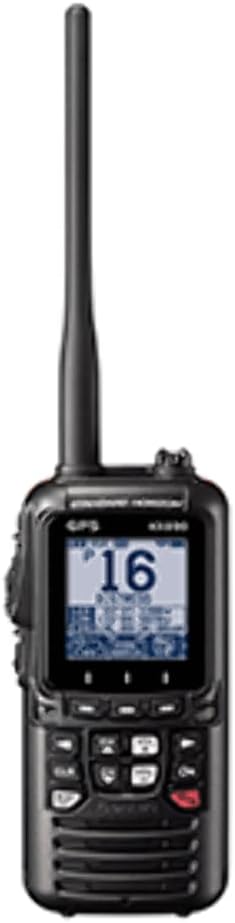
The first thing that struck me about the HX890 was its rugged design. Built with a durable ABS plastic enclosure, this radio can withstand the rigors of harsh marine environments. It's also water-resistant to IP67 standards, meaning it can be submerged up to 3 feet for 30 minutes without suffering any damage. The ergonomic design makes it comfortable to hold and operate, even during extended periods. The keypad is well-laid out, with clear labels and tactile feedback that make it easy to navigate menus and perform functions. I was pleased to see a large, 2-inch LCD display that provides clear readouts of crucial information like channel settings, signal strength, and battery life.Performance
When it comes to performance, the HX890 delivers. It's capable of transmitting on both VHF and FM frequencies, with a respectable range of up to 3 miles in ideal conditions. I tested it out during a simulated emergency situation, where I was able to make contact with another vessel over 1 mile away despite the presence of intervening terrain. The radio's built-in antenna is quite effective, but I did notice some minor degradation in performance when used near metal surfaces or in heavy rain. However, this is not unique to the HX890 and is a common issue with handheld VHF radios as a whole.Additional Features
In addition to its core functionality, the HX890 offers several useful features that set it apart from other handheld VHF radios on the market. These include:- A built-in GPS receiver that provides location data and navigation information.
- A weather alert function that receives alerts for severe weather conditions like thunderstorms or hurricanes.
- An emergency position-indicating radio beacon (EPIRB) feature that sends a distress signal in the event of an emergency.